


Unpacking "BTS: The RETURN" Documentary on Netflix and Its Global Impact on K-pop Culture

Netflix didn’t just drop a BTS comeback special; it hit “play next” on the hype train before anyone could even reach for the remote. And honestly, that is not a strategy; that is pure showmanship.
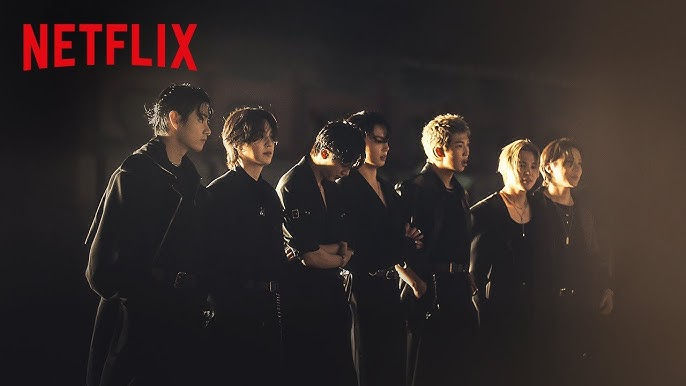
Hot on the heels of BTS’s global comeback broadcast, the platform rolled out a full-length documentary, BTS: The RETURN. The timing feels anything but accidental. If the comeback show was the fireworks, this is the slow-burning afterglow, designed to keep ARMYs hooked and curious about what comes next.

Netflix Doubles Down on the BTS Effect
BTS: The RETURN follows the group as they reunite, reflect, and rebuild. It revisits their journey from global domination to this new chapter, blending nostalgia with anticipation. But beyond the timeline, this move signals something bigger. Netflix clearly sees BTS not just as artists but as a long-term storytelling goldmine.
The platform has built its reputation on digging deeper, whether it is crime, sports, or cultural phenomena. Now, it is applying that same layered and almost investigative lens to K-pop’s biggest name. And that is where things get interesting.
K-pop thrives on performance, precision, and fandom energy. Netflix, on the other hand, thrives on peeling back layers. Put the two together, and you get a format that could go beyond polished stages and into something far more personal.
Beyond the Spotlight: A More Human BTS
Let’s be real. BTS has told their story many times before. Through variety shows, behind-the-scenes clips, and past documentaries, ARMYs have seen plenty. But familiarity can sometimes blur impact. What this documentary promises is a shift in perspective.
Instead of leaning fully into fan service, Netflix seems ready to explore the in-between moments. The pressure behind the performances, the weight of global fame, and the quieter struggles that do not always make it to the stage.

Unlike the high-energy comeback show, this documentary takes its time. It builds layer by layer, offering a more grounded look at the group. And thanks to Netflix’s global reach, this is not just for ARMYs. It is positioned to resonate with viewers far beyond K-pop circles.
In the end, this is a smart play on both sides. Netflix gets to flex its storytelling muscle with a global phenomenon. BTS gets a fresh lens on a story that is still evolving. The real question is, how much of the truth are they ready to show?


Comments