


A2O LITE’s “NEON”: 4D Camera Tech, 2010s K-Pop Nostalgia, and Record-Breaking Success

What happens when the sound of classic 2010s K-pop meets futuristic music-video technology? A2O LITE’s debut single “NEON” is bringing that combination back into the spotlight—and breaking records along the way.
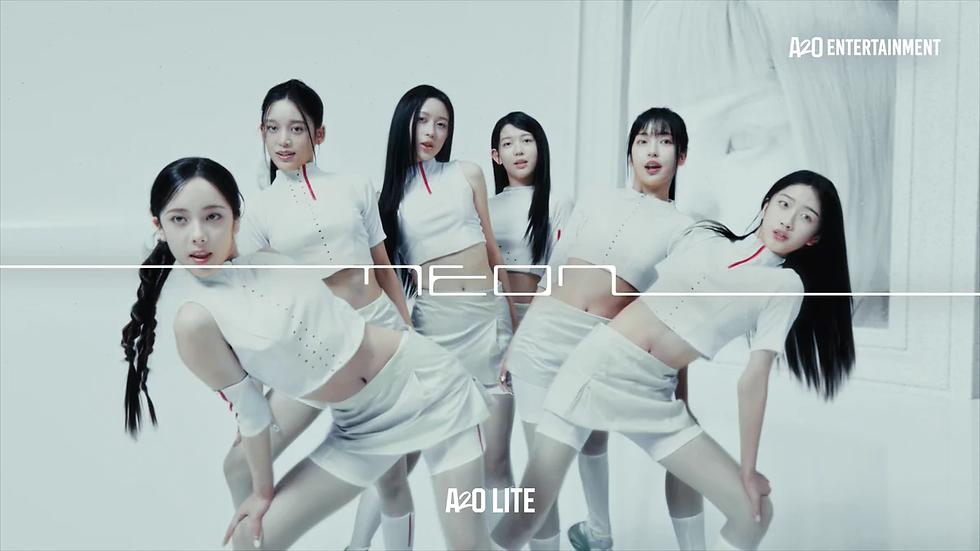
Released on October 13, 2026, the song reached No. 1 on Melon’s Top 100 in just 29 hours. Within its first two weeks, it achieved a Perfect All-Kill, earned four music-show trophies, and entered the Billboard Global 200 at No. 8. Its music video was also reported to have surpassed 22 million YouTube views during the early debut period.
But the story behind “NEON” goes beyond numbers. The song’s nostalgic sound, Lee Soo-man’s creative influence, and its reported use of 4D Gaussian Splatting technology make it an interesting case study in how K-pop connects its past with its future.
1. Lee Soo-man’s Influence: A Return to Classic K-Pop
For longtime K-pop fans, “NEON” may sound familiar for a reason.
A2O LITE was created under A2O Entertainment, founded by Lee Soo-man, the former SM Entertainment chief who helped shape the sound and production systems behind generations of K-pop artists. Lee serves as the group's key producer, while longtime SM collaborator Yoo Young-jin contributed to the music production.
The result recalls the performance-driven K-pop sound associated with the 2010s: powerful bass, layered harmonies, soaring high notes, dramatic transitions, and a full dance break.
At 3 minutes and 28 seconds, “NEON” also gives its arrangement room to develop instead of relying solely on a short, instantly repeatable hook.
That contrast feels refreshing in an era when many releases prioritize short-form video moments. Rather than simply chasing nostalgia, “NEON” combines familiar musical ingredients with futuristic styling and a new-generation group.
The big question: Can Lee Soo-man's signature production approach connect with younger listeners while bringing longtime fans back to the sound they remember?

2. What Is 4D Gaussian Splatting?
The music video adds another layer of innovation through its reported use of 4D Gaussian Splatting (4DGS), a technology for reconstructing moving scenes in three-dimensional space over time.
Using footage captured from multiple synchronized cameras, the process creates a dynamic representation of a scene that can offer filmmakers greater flexibility when exploring camera viewpoints.
For K-pop, this opens interesting possibilities. Directors could emphasize individual performers, reveal the depth of synchronized formations, or explore perspectives that traditional camera coverage might not provide as easily.
However, the results depend on the footage, camera coverage, lighting, and processing. The technology doesn't automatically make every angle possible or guarantee a better video.
Its real value lies in giving creative teams more options for presenting movement.

3. How Editing Makes “NEON” Hit Harder
Technology alone cannot make a music video memorable. Editing determines how the visuals connect with the music.
In “NEON,” rapid cuts can emphasize choreography, close-ups draw attention to individual members, and wider shots showcase synchronized formations.
The video's “Stage 1,” “Stage 2,” and “Stage 3” markers also reinforce its game-inspired, futuristic aesthetic, giving the performance a sense of progression.
The song's strategic pauses are equally important. Brief moments when the drums and bass drop out create anticipation before the beat returns, making the next section feel more powerful.
Sometimes, the best way to make a beat hit harder is to take it away first.
When music, choreography, and editing work together, even a short pause can become part of the visual storytelling.
4. Why the Combination of Old and New Works
Each element in “NEON” serves a different purpose:
2010s K-pop influences: Bring back layered vocals, dramatic arrangements, and performance-driven production.
Lee Soo-man's creative direction: Connects the group to a production lineage associated with some of K-pop's most influential acts.
4D Gaussian Splatting: Offers new possibilities for capturing and presenting movement.
Precision editing: Shapes the rhythm, energy, and visual flow of the final video.
None of these elements alone explains the song's chart performance. But together, they create a clear identity that blends familiar musical foundations with a futuristic presentation.

Final Verdict: Nostalgia Meets K-Pop's Next Chapter
A2O LITE's “NEON” is more than a rookie debut with impressive early numbers. It brings back elements of the full-bodied, dramatic K-pop sound many fans associate with the 2010s while experimenting with newer visual production techniques.
Lee Soo-man's influence helps explain the song's musical direction, while 4D Gaussian Splatting and carefully timed editing offer another reason to examine its music video closely.
Whether this approach becomes a lasting trend remains to be seen. For now, “NEON” raises an intriguing question for K-pop fans: Does the future of K-pop need an entirely new sound—or can the next generation reinvent what made the genre exciting in the first place?
Watch “NEON” again and listen for the layered vocals, dramatic transitions, and moments of silence. Then tell us: does A2O LITE's throwback sound feel nostalgic, futuristic, or like the perfect mix of both?


Comments