


How K-pop Became FIFA's Secret Weapon for Global Viewership

For decades, the FIFA World Cup has been the biggest sporting event on the planet. Every four years, billions of viewers tune in to watch football's greatest stars compete for international glory. But as media consumption habits evolve and younger audiences increasingly turn to digital platforms for entertainment, FIFA has faced a new challenge: how do you keep the world's most-watched event culturally relevant to the next generation?
The answer, surprisingly, may be K-pop.
This year, the question is even more intriguing, as many people are boycotting the global event because the most prominent issues center on the United States' immigration and visa policies and FIFA's use of dynamic pricing for tickets.
So, with all these uncertainties and hundreds of thousands of unsold tickets the day before kickoff, will fans be tuning in for more than just football? This may be the case this year.


The Rise of K-pop as a Global Cultural Force
K-pop is no longer just a music genre. It has become a global entertainment phenomenon.
Groups like BTS, BLACKPINK, SEVENTEEN, Stray Kids, and aespa have built massive international fanbases spanning North America, Europe, Latin America, the Middle East, and Africa. Their influence extends beyond music into fashion, technology, gaming, and now sports.
What makes K-pop particularly valuable is its highly engaged fandom culture. Unlike traditional audiences, K-pop fans actively create content, organize online campaigns, trend hashtags, and participate in digital communities around the clock.
For organizations like FIFA, this level of engagement is incredibly attractive.
Instead of relying solely on football fans, FIFA can tap into millions of passionate K-pop supporters who may not otherwise follow the tournament closely. This is a huge leverage they have this year over previous years.
FIFA's New Strategy: Entertainment Meets Sport
FIFA's approach to entertainment in 2026 feels different. Rather than treating music as a secondary attraction, FIFA has embraced entertainment as a major part of the event experience. This shift became especially clear with the introduction of the World Cup Final halftime show concept, inspired by the success of major entertainment spectacles like the Super Bowl.
The inclusion of K-pop artists signals FIFA's recognition that modern sporting events are no longer just about sports. They are global entertainment products competing for attention in an increasingly crowded digital landscape.
Imagine this: K-pop fans are filling out movie theaters to watch BTS perform their live ARIRANG concert in Busan later this month. The movie industry has been struggling ever since OTT (over-the-top) media content such as Netflix, Amazon Prime Video, and Disney+ have dominated the digital era.

Why K-pop Fits FIFA's Goals Perfectly
1. Massive Global Reach
One of K-pop's greatest strengths is its international appeal.
Unlike many regional music genres, K-pop has developed truly global audiences. A single music video release can trend simultaneously in dozens of countries.
This aligns perfectly with FIFA's mission as a worldwide sporting organization.
When a K-pop artist participates in a World Cup event, FIFA gains exposure to audiences that may not traditionally engage with football content. Fans who arrive for the music often stay for the tournament, physically and digitally.
2. Social Media Dominance
Modern sports organizations understand that television ratings are no longer the only measure of success.
Social media engagement has become equally important.
K-pop fandoms are famous for generating enormous online activity. Whether it's trending hashtags, fan edits, reaction videos, or livestream discussions, K-pop communities can dominate platforms such as X, TikTok, Instagram, and YouTube within hours.
Every FIFA-related K-pop announcement instantly becomes a viral event.
The result is free publicity and continuous online conversation that extends far beyond match days.
3. Reaching Younger Audiences
One of FIFA's long-term priorities is maintaining relevance among younger generations.
Gen Z and younger millennials consume content differently from previous generations. Many discover cultural moments through short-form videos, influencer content, and online communities rather than traditional television broadcasts.
K-pop already has strong connections with these demographics.
By integrating K-pop artists into World Cup promotions, FIFA gains direct access to younger audiences who might otherwise view football as something their parents watch.
The BTS Effect
No discussion about K-pop's influence on global sports would be complete without mentioning BTS.
The group's global popularity transformed perceptions of what Korean artists could achieve internationally. BTS demonstrated that language barriers are no longer a significant obstacle to worldwide success.

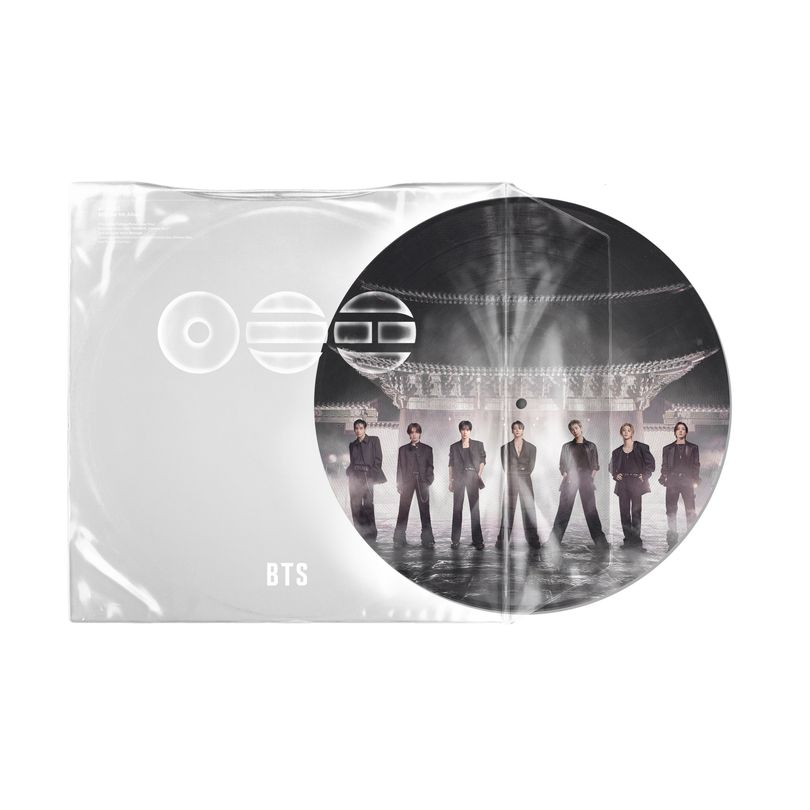
When BTS became connected to major international sporting events, it signaled a new era of cultural collaboration. With FIFA inviting the world's biggest pop group to perform at its closing ceremony on Sunday, July 19, 2026, it has secured the event to be one of the most-watched events of the year.
We Didn't Forget Lisa!

In addition to BTS, another global K-pop superstar from the girl group BLACKPINK, Lisa, will be headlining the opening ceremony. With her diverse background, growing up in Thailand, while speaking English and Korean as well, FIFA can help bridge her global popularity with different markets at the same time.
Final Thoughts
Football remains the heart of the FIFA World Cup, but K-pop has become one of its most valuable supporting players.
By embracing Korean pop music and its global fan communities, FIFA has found a powerful way to expand its audience, generate online buzz, and connect with younger viewers around the world.
What began as occasional music collaborations has evolved into a strategic partnership between two of the world's most influential cultural forces.
As sports and entertainment continue to merge, the FIFA World Cup 2026 may be remembered not only for the matches on the pitch but also for how K-pop helped transform the tournament into a truly global entertainment phenomenon. Do you think K-pop will transform the future of sports and entertainment? Comment below!


Comments