


Ulleungdo Unbound: Korea’s Hidden Volcanic Gem You Can Only Reach by Boat

Discover the rugged cliffs, emerald waters, and untouched wilderness of Korea’s ultimate island escape.

Ulleungdo is one of Korea’s best-kept secrets. Located about 160 miles off the mainland coast, Ulleungdo boasts emerald waters, jagged cliffs, and lush volcanic landscapes. Because it is currently only accessible to tourists by boat, it demands a bit of commitment to reach.
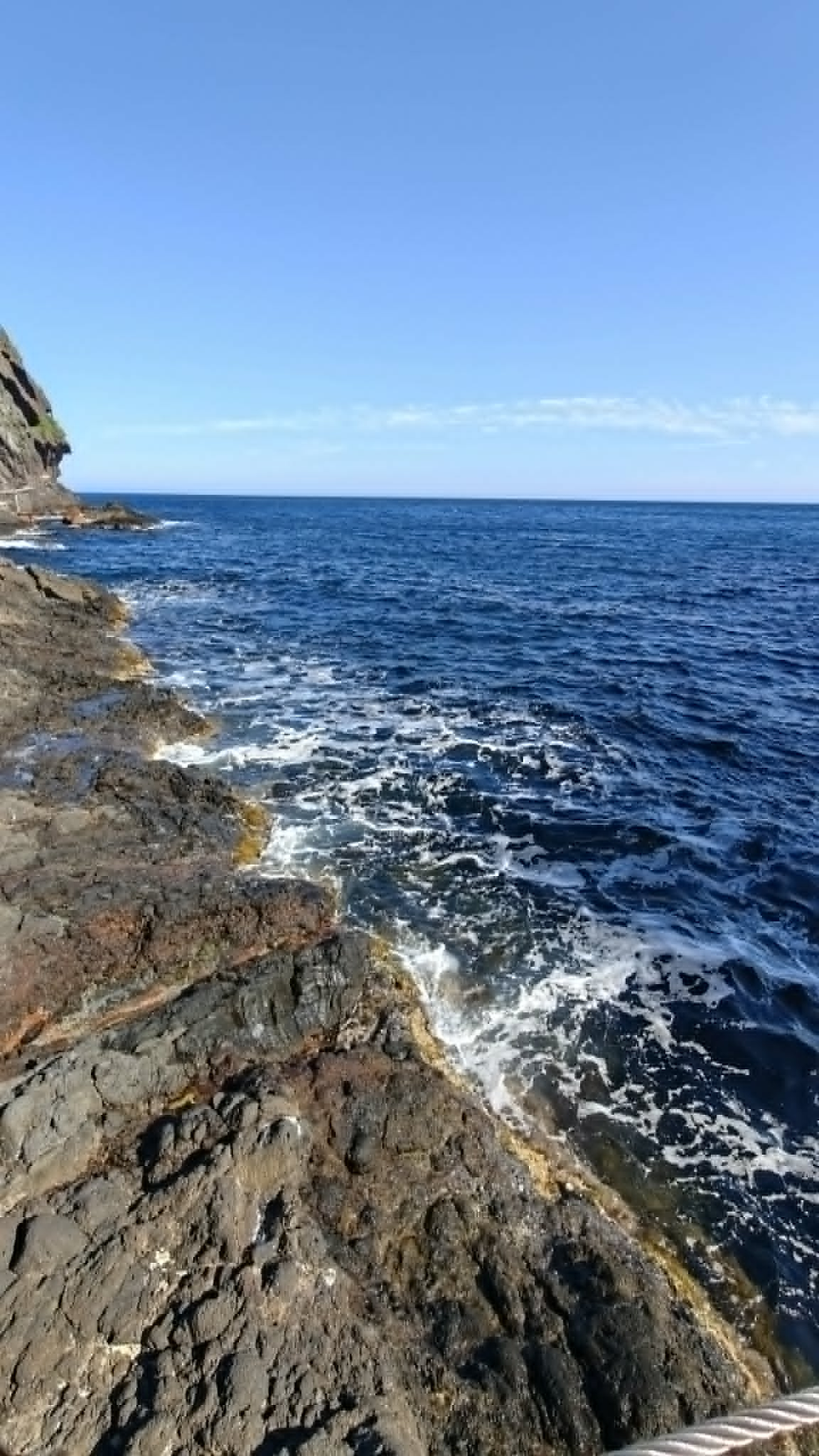
Ulleungdo has long been referred to as the "Mysterious Island," thanks to fierce natural barriers that have successfully kept mass commercialization at bay, offering an untamed wilderness for those willing to cross the open ocean. Our writer, Lewis Hooper, recently visited Ulleungdo and Dokdo island courtesy of IWIK (International World In Korea) and the Ulleungdo County Government to see how they plan to attract more tourists and seasonal workers to the islets.
The Gateway: Getting There from Pohang Port
Pohang Port, in the south of Korea, serves as the main gateway to the islets. Depending on the weather, it takes around three hours to travel from Pohang to Ulleungdo by ferry. You can choose a high-speed passenger catamaran for a fast but potentially choppy three-hour sprint, or opt for the massive overnight cruise ferry out of Yeongilman New Port for a smooth, six-and-a-half-hour sleep in a private cabin.

Because the East Sea is notoriously unpredictable, ferry schedules remain highly weather-dependent, making a flexible itinerary and motion sickness remedies essential. If you do feel motion sickness, it's recommended to buy anti-sickness medicine before traveling, as the sea at times can get fairly choppy.

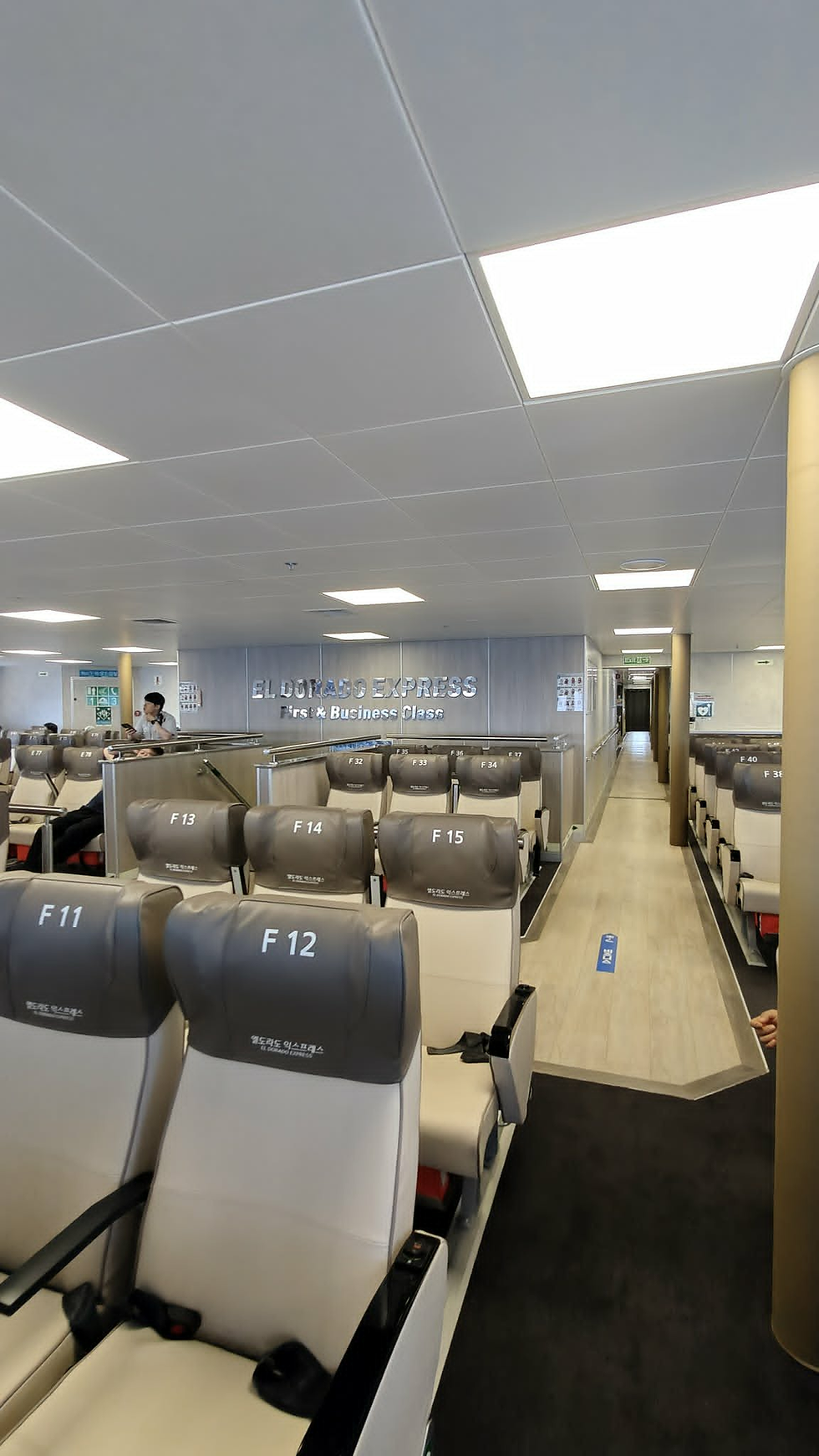
High-Speed Ferry: Economy seats cost around ₩81,000–₩86,500 (USD 53.00-56.00) one-way, while upgrading to Business or First Class costs about ₩91,000–₩95,000 (USD 59.00-62.00). As the mission was partly sponsored by the ferry company, Lewis traveled in Business Class on both legs of the trip. The seats were spacious, equipped with charging ports, and offered significantly more legroom than the economy seats on the lower deck.
Volcanic Vistas: The Cable Car

During his time on Ulleungdo, Lewis visited one of the island's most dramatic vertical viewing points, which became a major highlight of his trip. To fully grasp just how vertical the island is, the cable car experience is the best way to take in the dramatic landscapes, all from the peak of Manghyangbong. On clear days, you can even spot the Dokdo islets in the distance.
Cheonbu Underwater Observatory

This underwater observatory is amazing! It was one of the biggest surprises of the trip, mainly thanks to the crystal-clear waters and beautiful coastline. At only ₩4,000 (USD 2.60) for entry, it is a must-visit that allows visitors to immerse themselves in the island's marine culture first-hand.
The Underwater Observatory plunges you six meters below the surface inside a wild marine sanctuary.
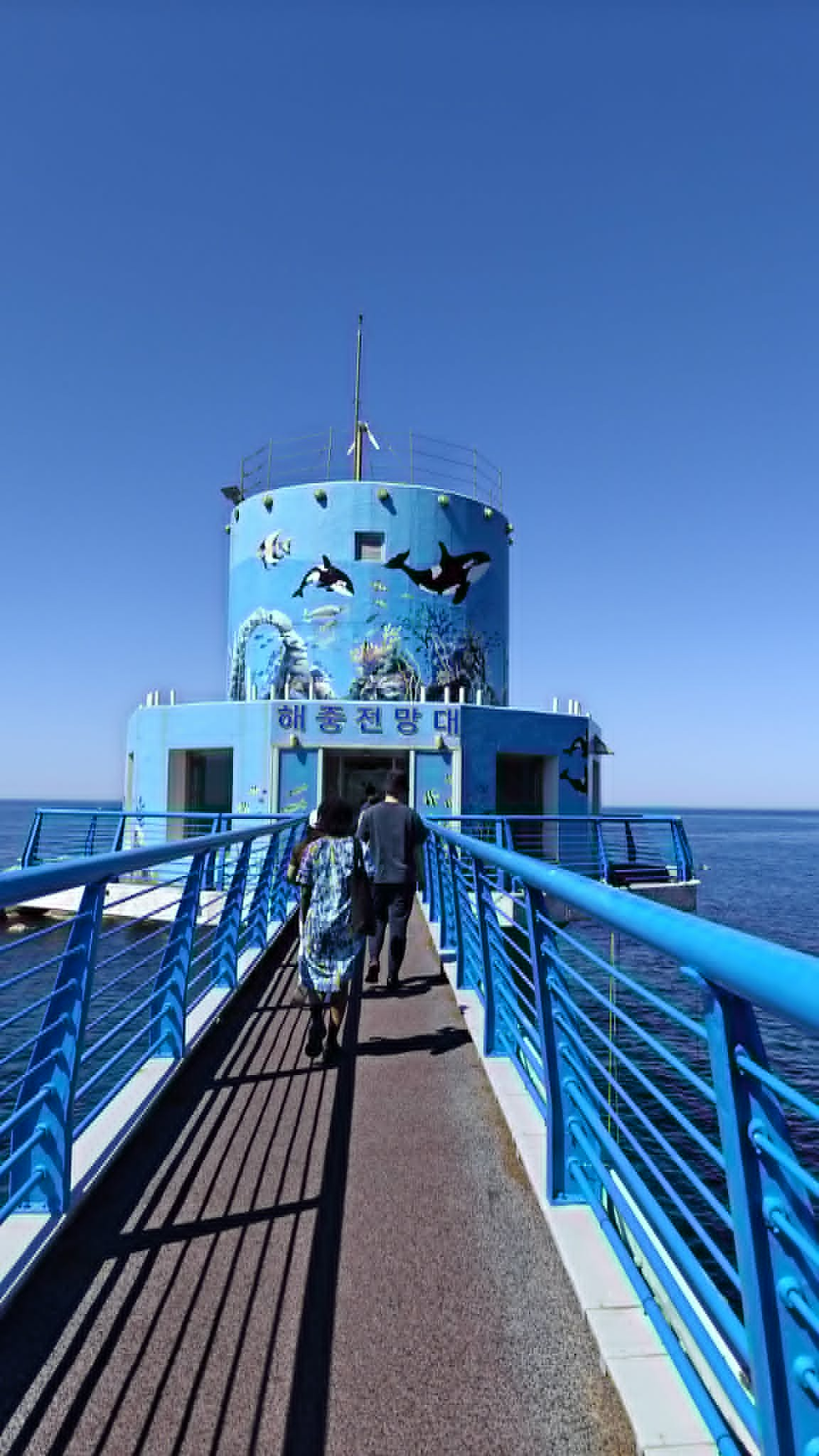
Here, you can watch schools of indigenous cold-water fish and dense kelp forests through reinforced viewing windows—perfect for grabbing amazing photos! Even the walkway leading up to the observatory is a destination in itself.

The Ultimate Sunset
It has been said in the past that Jeju Island has Korea’s most beautiful sunset. However, after visiting Ulleungdo, Lewis begs to differ. Ulleungdo features an unspoiled skyline that allows you to catch the night glow, stunning sunsets, and even stargaze.

The best sunset vantage point is found near the Taeha Lighthouse and Hyangmok Observatory, easily accessible via a steep cliffside monorail, which was also an amazing experience and offered a natural and scenic walk. From this spot, the late afternoon sun bathes the wrinkled rock faces in a deep golden hue just before the darkness reveals the flashing halogen lights of local squid fishing boats starting their nightly hunt. Look closely, and you will notice numerous squid fishing boats scattered all around the island!
Sea Snail Rice & Volcanic Pumpkin Taffy
Ulleungdo’s extreme historical isolation forced residents to rely entirely on what could be caught or grown in the rich, mineral-heavy volcanic soil. As a result, local comfort food revolves around Honghapbap (Mussel Rice) and Ttagaebibap (Sea Snail Rice), which feature short-grain rice cooked to savory perfection in rich, briny shellfish broths. Lewis tried these during his trip and found them delicious—especially alongside the array of homemade local side dishes that accompanied the meal.
Pumpkin ale was also available at many of the island’s convenience stores and local shops, along with pumpkin soju. For a long time, pumpkins have been the natives' go-to sweet dessert, making their way into a whole host of local products and dishes. The pumpkin ale was spectacular and a must-try if you get the opportunity!

IWIK & County Tourism Push
During his sponsored trip, Lewis attended an Ulleung County Government meeting hosted by IWIK, the organization in charge of running the tour. The purpose of the trip was to spread awareness about the island's ecology and sustainability, as well as its drive to attract both international tourists and seasonal workers.

Because Ulleungdo is currently only accessible by boat, travel remains a challenge for international tourists and locals alike. However, a domestic airport is slated to open in 2027, which will allow for much easier access. The meeting was highly successful and could truly transform Ulleungdo's once-isolated tourism sector into a more international affair in the near future.
Final Thoughts
For Lewis, Ulleungdo was an incredible destination that he hopes more international tourists get to experience while visiting Korea. In his eyes, Ulleungdo's landscapes are much more untouched than Jeju's, and the waters are even more breathtaking. The friendly local community made the experience that much more memorable. As South Korea races rapidly into a technological future, this isolated volcanic fortress remains beautifully, stubbornly wild—an unspoiled destination that truly showcases the heart and generosity of Korean culture.



Comments